


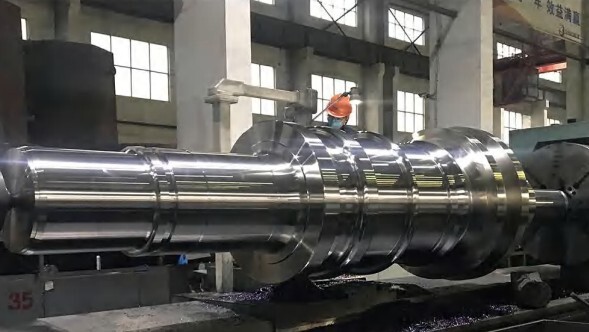
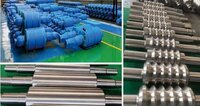
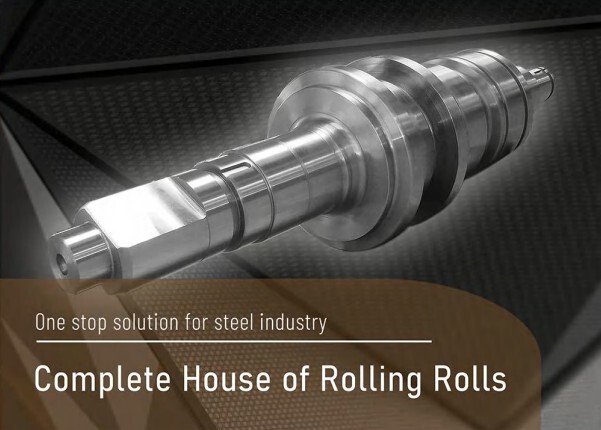
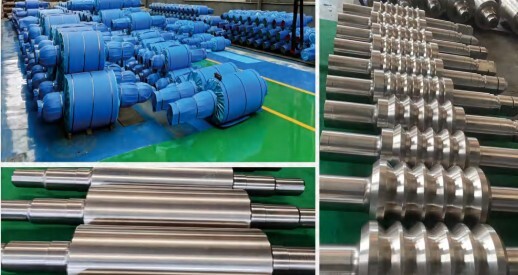
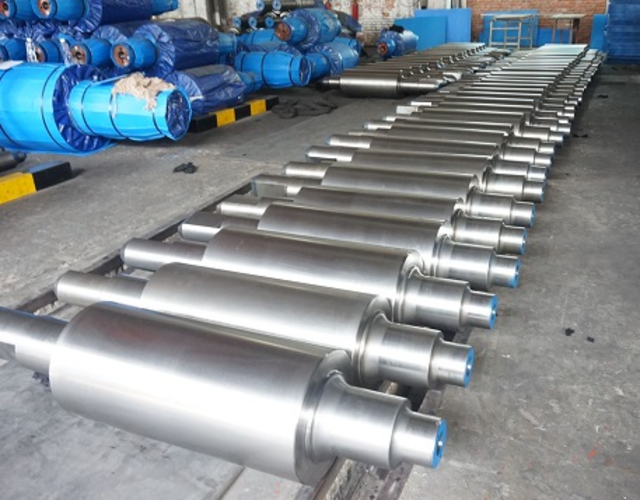
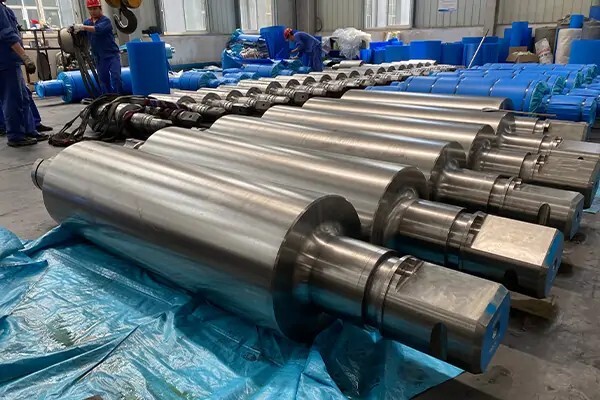
Alloy Cast Steel Rolls
1500 USD ($)/Unit
Product Details:
- Type Other
- Material Alloy Steel Cast
- Computerized No
- Automatic Grade Manual
- Weight 1000 Kilograms (kg)
- Warranty 1 year
- Click to View more
X
Alloy Cast Steel Rolls Price And Quantity
- 1500 USD ($)/Unit
- 2 Unit
Alloy Cast Steel Rolls Product Specifications
- Alloy Steel Cast
- 1000 Kilograms (kg)
- Manual
- Other
- No
- 1 year
Alloy Cast Steel Rolls Trade Information
- FOB Port - Mundra, Gujarat, India.
- Telegraphic Transfer (T/T)
- 100 Unit Per Month
- 190 Days
- Export worthy packing
- Asia, North America, South America, Middle East, Africa
- All India
- ISO 9001
Product Description
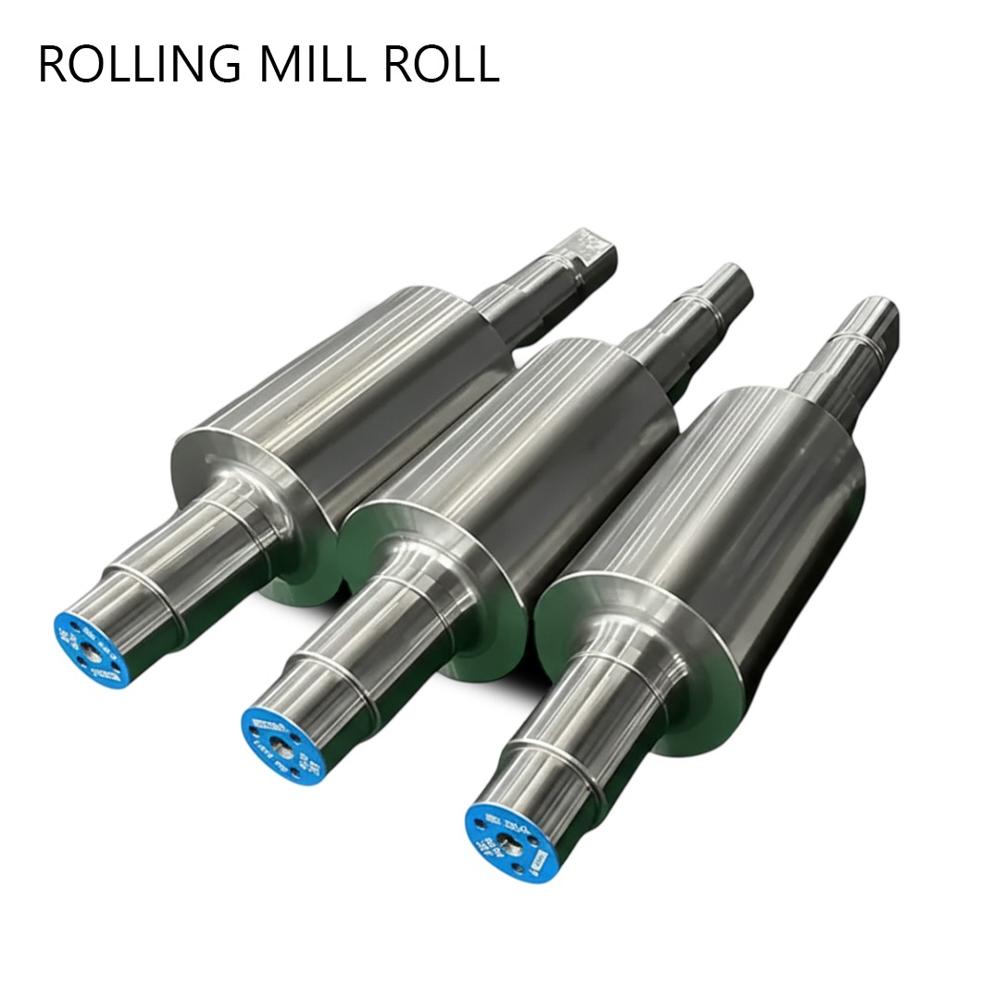
Alloy Cast Steel Rolls for Rolling Mills
Alloy Cast Steel Rolls are widely used in rolling mills due to their high toughness strength and excellent resistance to thermal shock Manufactured with selected alloying elements such as Chromium Nickel Molybdenum and Manganese these rolls provide the perfect balance between durability and impact resistance making them especially suitable for heavyduty rolling conditions
Key Features Advantages
High Toughness Strength Can withstand severe rolling stresses and impact loads
Excellent FireCrack Resistance Superior thermal stability reduces spalling and cracking under fluctuating rolling temperatures
Good Hardness Range Surface hardness 3045 HSC ensures durability without sacrificing toughness
Reliable Performance Stable microstructure ensures longer campaign life and reduced downtime
CostEffective Operation Ideal for roughing passes extending mill productivity and lowering roll consumption
Typical Chemical Composition
Carbon C 04 14
Chromium Cr 05 15
Nickel Ni 05 15
Molybdenum Mo 02 06
Manganese Mn 06 12
Mechanical Properties
Hardness 30 45 HSC
Tensile Strength 700 950 MPa approx
Microstructure Predominantly pearlitic with ferrite matrix and evenly distributed carbides
Applications
Roughing Stands of Bar Mills Section Mills and Structural Mills
Suitable for heavy impact rolling where toughness and firecrack resistance are critical
Ideal choice for primary rolling passes before finishing stands
Why Choose Our Alloy Cast Steel Rolls
Manufactured with strict metallurgical quality control
Precision machining ensures dimensional accuracy and perfect roll profile
Proven performance in long campaigns with reduced roll changes
Trusted by global steel producers for durability costeffectiveness and consistency
High-Performance Alloy Steel Construction
Our Alloy Cast Steel Rolls are manufactured from high-grade alloy steel cast, ensuring excellent toughness and resistance to wear. This construction method results in long-lasting performance, making them suitable for demanding rolling processes in steel mills and related applications. Their substantial weight aids in maintaining rolling precision and stability during operations.
Manual Operation for Flexibility
These rolls are manually operated, providing flexibility and control over the rolling process. Suitable for operators who prefer hands-on management, the manual grade eliminates the need for computerized systems, simplifying installation and functioning in various industrial setups.
Supplier Reliability and Warranty
As a reputable supplier and trader based in India, we back our Alloy Cast Steel Rolls with a one-year warranty. This assurance reflects our commitment to product quality and reliable service, helping ensure your investment is protected over the operational lifespan of the rolls.
FAQs of Alloy Cast Steel Rolls:
Q: How are Alloy Cast Steel Rolls typically used in industrial applications?
A: Alloy Cast Steel Rolls are primarily used in rolling mills and processing plants for shaping and finishing metal materials, thanks to their strength and resistance to deformation.Q: What is the benefit of using alloy steel cast material for rolls?
A: Alloy steel cast material enhances the rolls durability, hardness, and wear resistance, resulting in improved performance and a longer operational life under tough working conditions.Q: When should these rolls be maintained or inspected?
A: Regular inspection is recommended every few months, depending on usage intensity, to ensure optimal condition and to prevent unexpected downtime. Scheduled maintenance contributes to extended service life.Q: Where can these Alloy Cast Steel Rolls be supplied from?
A: These rolls are supplied and traded from India, with reliable logistics support to ensure timely delivery to domestic or international clients.Q: What is the process for installing these manual rolls in a steel mill?
A: Installation involves mounting the rolls onto compatible rolling machinery, manually aligning them for correct operation, and securing them as per standard safety protocols. Professional handling is advised for proper setup.Q: What are the key advantages of using manual, non-computerized rolls?
A: Manual operation allows for direct control and adjustment by the operator, offers greater simplicity, reduces dependency on electronic systems, and is often quicker to service in case of minor operational issues.Tell us about your requirement

Price:
Quantity
Select Unit
- 50
- 100
- 200
- 250
- 500
- 1000+
Additional detail
Mobile number
Email

Other Products in 'Rolling Mill Rolls' category

HORIZON GLOBAL TRADE
GST : 24AANHK9400K1Z0
Contact Details

- D-410, SP Square, 4th Floor, Near Ramol Police Station, Ramol,Ahmedabad - 382449, Gujarat, India
- Phone :07315122792

- Ms Vrushali Patil (Sales Manager)
- Mobile :07315122792
- Send Inquiry
 Send Inquiry

 Send Inquiry
 Send SMS
 Call Me Free
HORIZON GLOBAL TRADE
All Rights Reserved.(Terms of Use)
Developed and Managed by Infocom Network Private Limited.
Developed and Managed by Infocom Network Private Limited.
 English
 Spanish
 French
 German
 Italian
 Chinese (Simplified)
 Japanese
 Korean
 Arabic
 Portuguese