Product Description
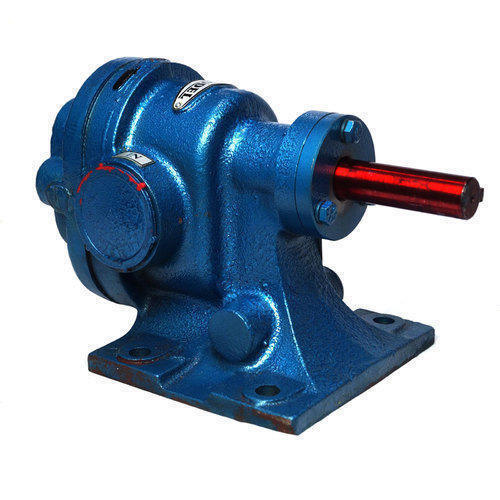
ROTODEL Rotary Gear Pumps are designed for smooth, efficient, and reliable transfer of viscous liquids such as oils, grease, bitumen, and chemicals. These positive displacement pumps operate on the principle of two precision-engineered gears rotating in close mesh, ensuring a steady and pulsation-free flow.
Manufactured from high-quality materials like Cast Iron, Stainless Steel (SS304/SS316), or Bronze, these pumps offer excellent durability, corrosion resistance, and long service life. Available with gland packing or mechanical seal, the pumps can handle pressures up to 10 kg/cm and temperatures up to 200C.
ROTODEL Rotary Gear Pumps are widely used in chemical, pharmaceutical, food, and oil industries for continuous, leak-free, and maintenance-friendly performance.
Versatile Fluid Handling SolutionRotodel rotary gear pumps are expertly engineered to manage a wide spectrum of viscous fluids with consistent performance. Their adaptability to various connection types, mounting styles, and drive configurations make them suitable for diverse industries, from chemical processing to oil transfer. Whether you require circulation, loading, or unloading, Rotodel ensures reliability and efficiency.
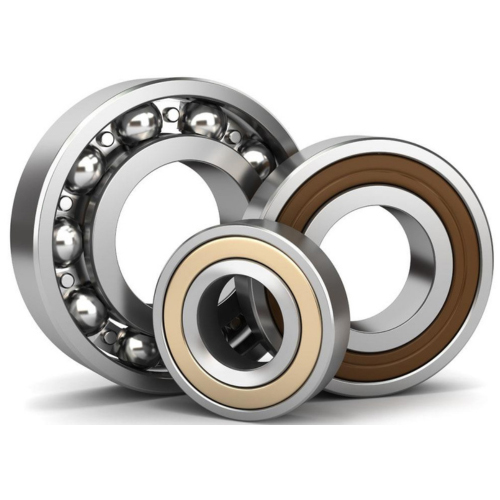
Designed for Challenging ApplicationsConstructed from durable materials such as cast iron and stainless steel, these pumps withstand demanding operational conditions. The option of ball or sleeve bearings, splash or forced lubrication, and compatibility with both single and double helical gears provides exceptional flexibility. Rotodel pumps maintain optimal operation in environments requiring precise flow control, high temperature, and tough viscosity levels.
FAQs of Rotodel make Rotary Gear Pumps:
Q: How do I select the appropriate Rotodel rotary gear pump model for my application?
A: To choose the right model, consider the required flow rate, pressure, fluid viscosity, and temperature of your process. Rotodel offers the Series GHS and GMS with varying sizes (1/4 to 3 inches), flow rates up to 500 LPM, and compatibility with fluids up to 1,00,000 SSU viscosity and 200C temperature. Consulting with a Rotodel supplier or trader ensures optimal pump selection for your specific needs.
Q: What maintenance does a Rotodel rotary gear pump require to ensure reliable operation?
A: Routine inspection of seals (mechanical or gland packing), lubrication systems (splash or forced), and bearing types (ball or sleeve) is recommended. Periodically check connections and gears for wear, especially when handling aggressive or high-viscosity fluids. Following manufacturer guidelines helps extend the pumps lifespan and maintains consistent performance.
Q: Where are Rotodel rotary gear pumps typically used in industrial processes?
A: Rotodel rotary gear pumps are widely employed in sectors such as petroleum, chemicals, food processing, and manufacturing. Their design suits applications involving the transfer, circulation, loading, and unloading of heavy or viscous fluids, making them valuable for processes that require precise and dependable fluid management.
Q: What is the benefit of the self-priming feature in Rotodel rotary gear pumps?
A: The self-priming capability allows the pump to evacuate air from the line and begin operating efficiently without manual intervention. This supports easier startup, reduces downtime, and enhances the adaptability of the pump across diverse installation scenarios.
Q: Can Rotodel rotary gear pumps handle corrosive fluids, and what material options are available?
A: Yes, Rotodel pumps are available in cast iron and stainless steel constructions, with stainless steel recommended for more corrosive media. Selecting the appropriate material based on chemical compatibility is crucial for efficient and safe handling of aggressive fluids.
Q: How does the mounting and drive type affect the installation of Rotodel rotary gear pumps?
A: Rotodel pumps are foot-mounted and typically coupled with an electric motor, facilitating stable installation and power transmission. The foot-mounting design simplifies alignment and integration into fluid handling systems, making them easy to install and maintain in various industrial setups.







 Send Inquiry

 Send Inquiry
 Send SMS
 Call Me Free
 English
 Spanish
 French
 German
 Italian
 Chinese (Simplified)
 Japanese
 Korean
 Arabic
 Portuguese